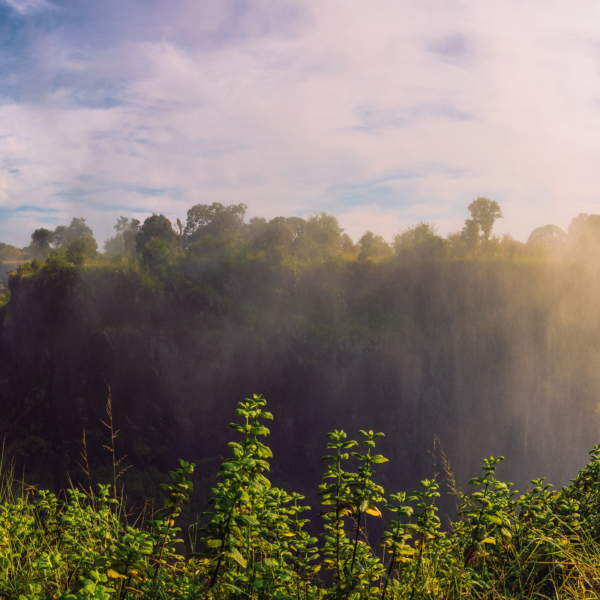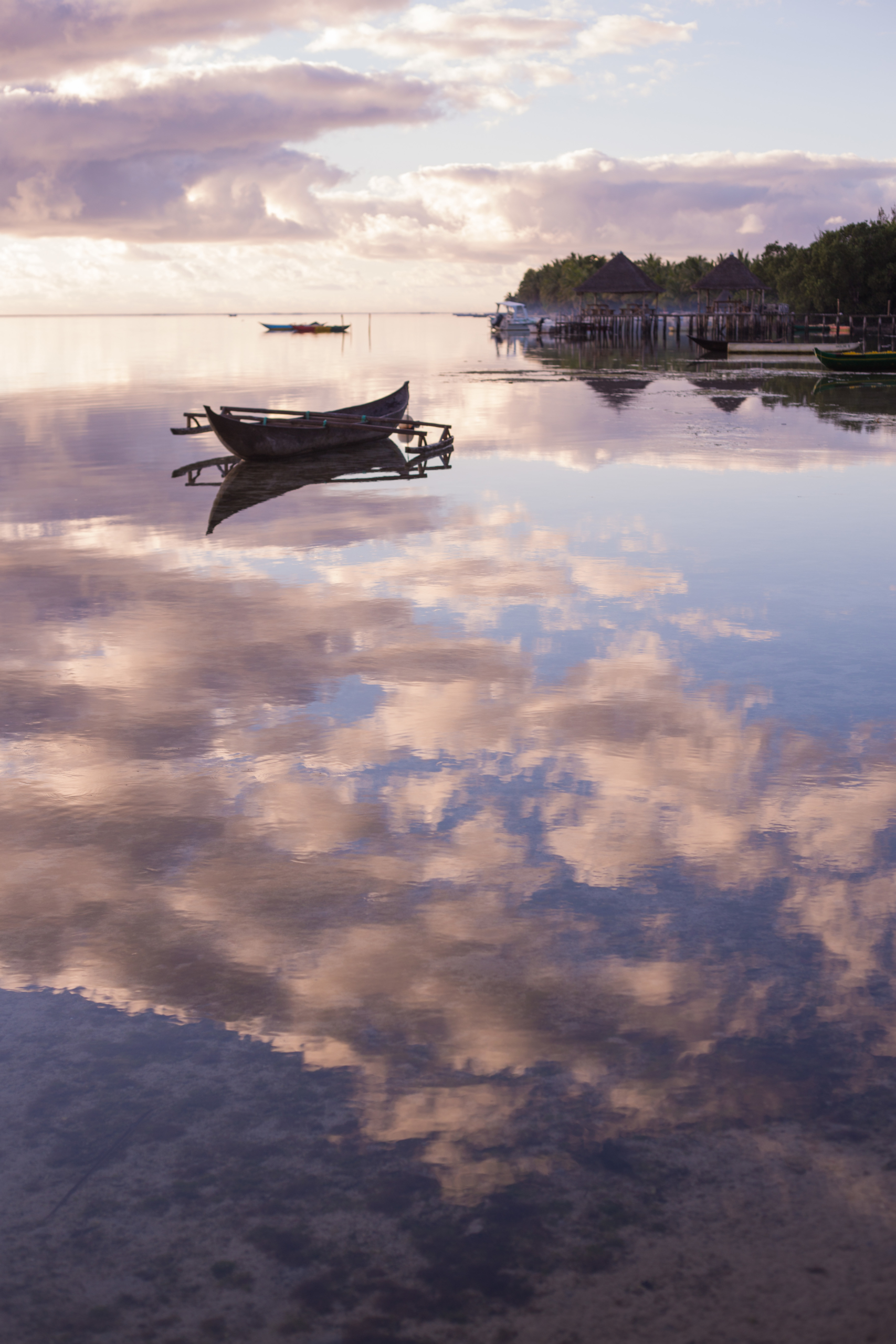
If you want to flee the confines of the urban jungle, to pack up and escape to a remote unspoiled island paradise, you could do little better than Île aux Nattes. It’s a small, but breathtakingly beautiful tropical island, positioned a splasth south of a slightly larger island, Île Sainte Marie, off the east coast of Madagascar. Three flights, a tuktuk, and a pirogue bring you to its palm tree-lined shores. At just 3 km in diameter, the island has no use for roads or cars, with transport provided via wooden dugout canoes called lakana, bicycles or the occasional scooter (which is brought across in said canoes).
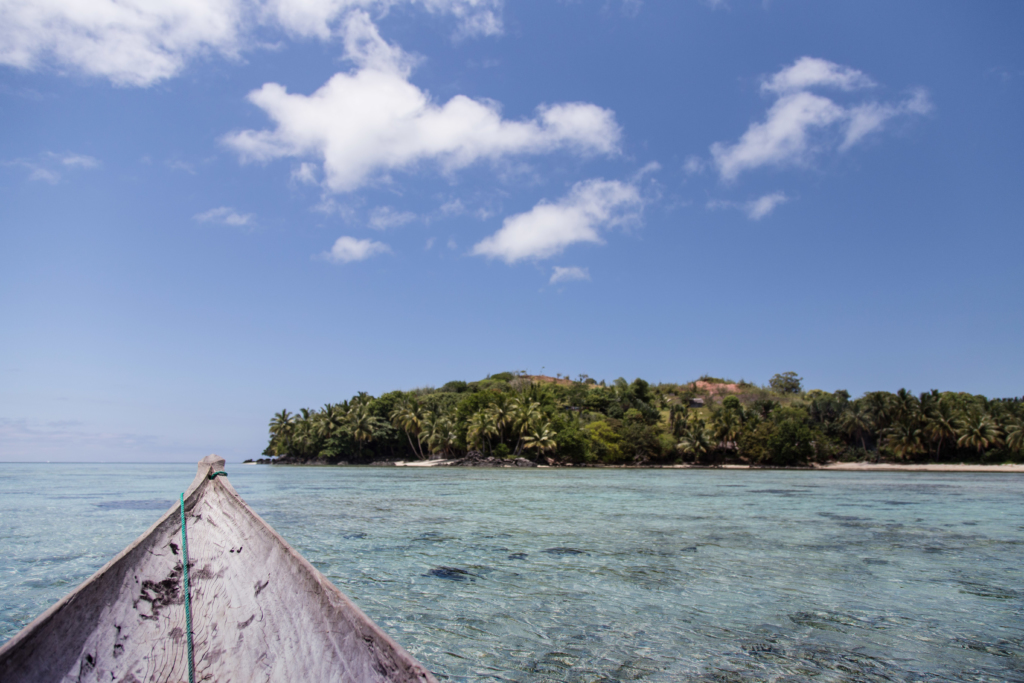
A small channel separates Île aux Nattes from Île Sainte Marie, where the little local airport is, and it’s through this azure crossing that you and your luggage are transported whilst seated in a lakana. When you land on the shore, it’s hard not to be in awe of the surrounds. Powder white sand emerges from the turquoise waters, punctuated by swaying palm trees, scurrying crabs and unfurled tendrils of wild vanilla.

There are a few lodges dotted around the island, operated by locals and foreigners, and occasionally visited by one of the friendly and curious black and white ruffed lemurs (sifaka). Electricity is a luxury provided by generator at some lodges for only a few hours a day. This means that there is little around to invade your sense of tranquility and peace.
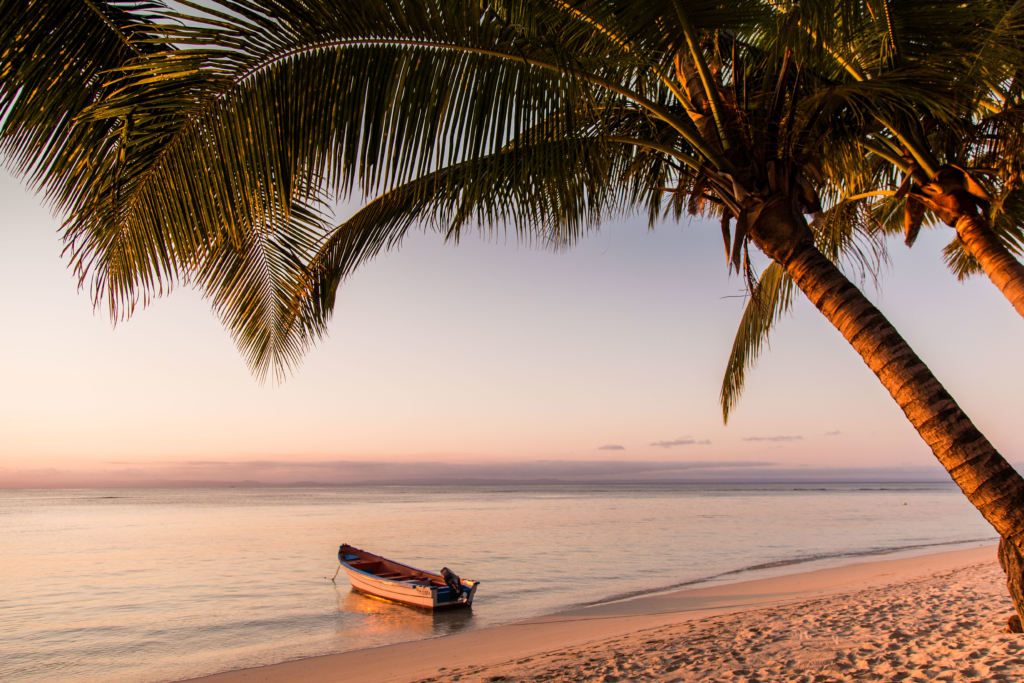
If that doesn’t prove quiet enough or far enough away from crowds, book a boat trip out and maroon yourself on Île aux Sable for a few hours, a sandbar just a few kilometres away, and surround yourself with nothing more than the sun and the sea.
Seafood and T-Punch
There are no convenience stores, no mass produced food delivered by cold chain suppliers. There aren’t many fridges around, and not much power to keep fridges cool. This means that the philosophies of eating local, fresh food that ethical eating practices of the Western world aspire to is the lifestyle here. The fish you eat it is what was just caught. Little restaurants tucked away in nooks, beneath trees or in little villas lure you in with irresistibly delicious smells. The food is a fusion of Malagasy and French, dominated by seafood caught nearby and brought in by local fisherman, and basted in coconut or vanilla sauces. Food is prepared on order, so at a little spot called Maningory, right on the edge of the beach, when you order your whole fish with coconut sauce, don’t be surprised as you watch someone climb the nearest palm tree and hack a cocnut down to take to the kitchen to make it.
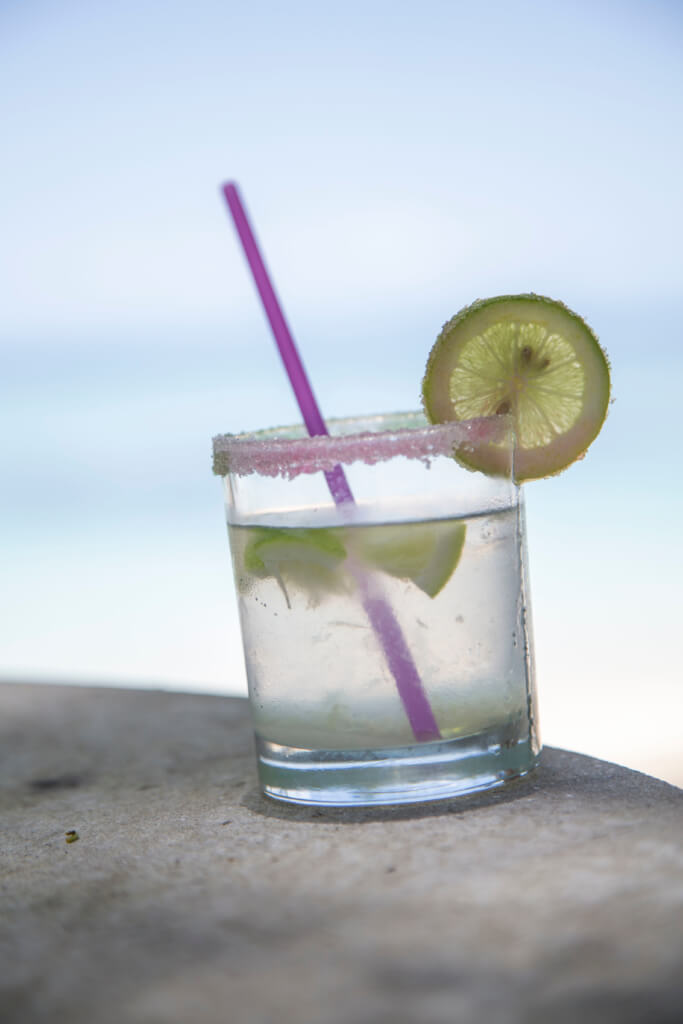
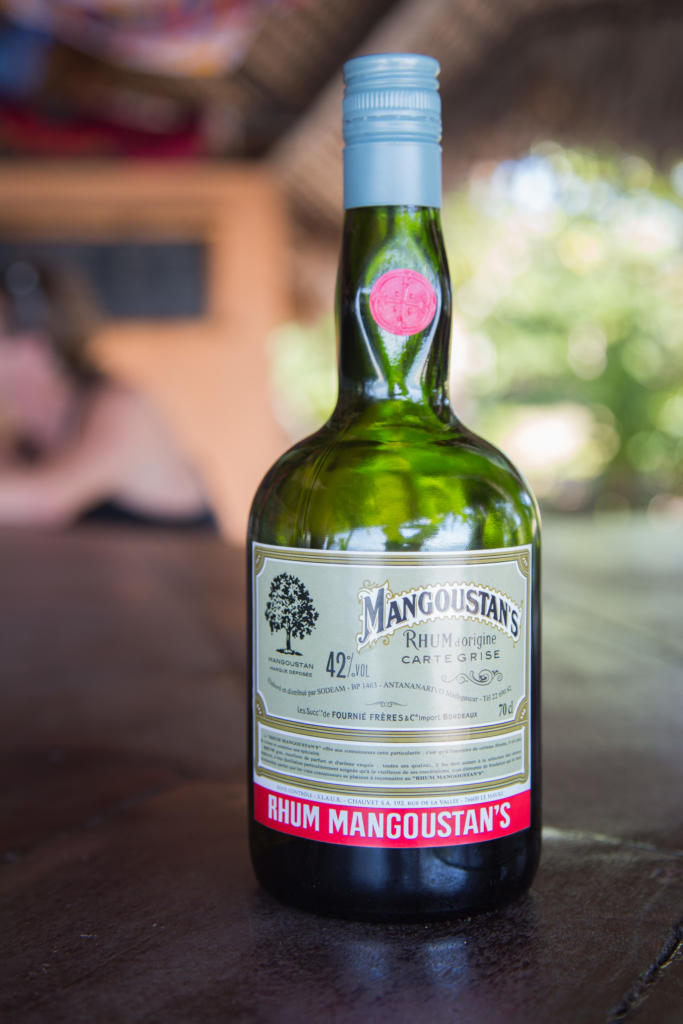
Rhum is offered everywhere, and is the tipple of choice on the little island, especially in a saccharine cocktail called T-Punch, which is little more than rhum, sugar and water. In each small lodge, cafe or hut, there’s a few rhum bottles steeping with whatever flavour is available nearby – honey, vanilla, cinnamon bark, coffee beans and even bananas.
Pirate Treasure
It’s little wonder legendary pirates had a fondness for a place so remote! An estimated 1 000 pirates, some such as the notorious brigands, William Kidd and Thomas Tew, made the neighbouring Île Saint Marie their home during the 17th and 18th centuries. A map from 1733 refers to the location simple as “The Island of Pirates”.
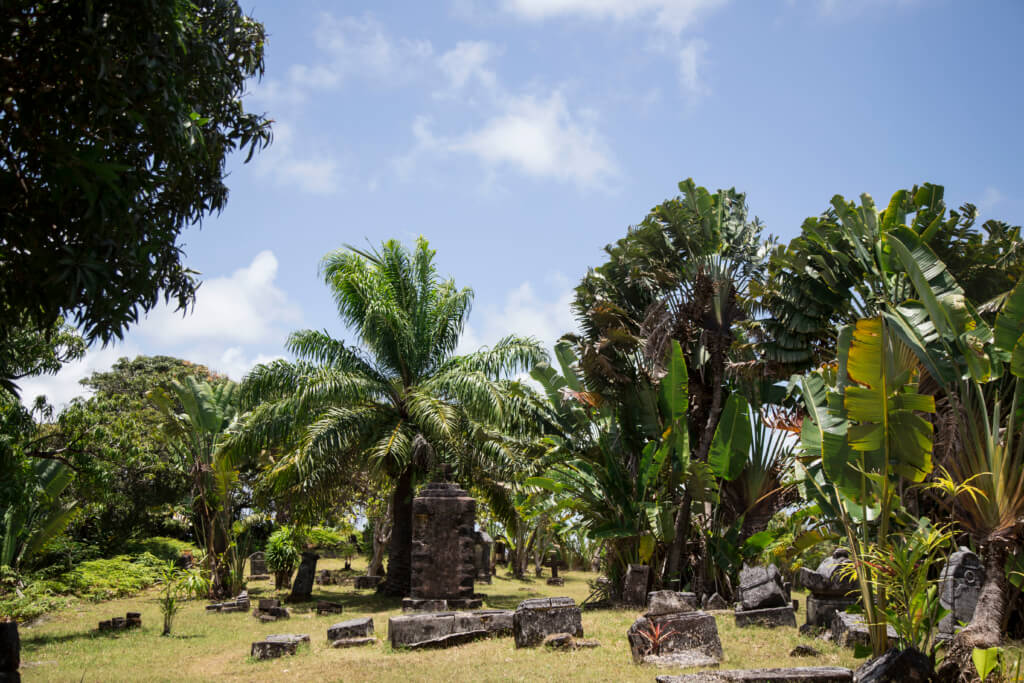
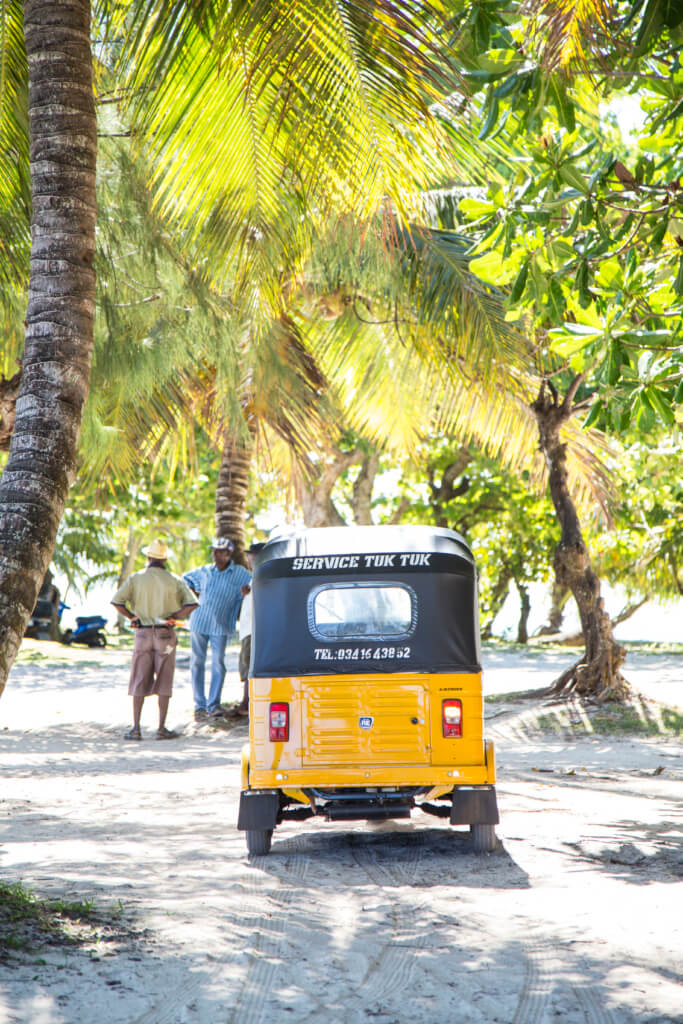
Grab a lift on a lakana, hail down a tuktuk and make your way to the world’s only pirate cemetery just by the bay of the main village of Ambodifotatra. It’s a crumbling relic, scattered with tombstones adorned with either the skull or the crossbones trademark. After centuries of weather-wearing and cyclones, about 30 tombstones remain. Legend has it that William Kidd was buried in a large black tomb in the cemetery, sitting upright as punishment for his sins; his ship was the Adventure Galley, was left docked in the island, and his booty is rumoured to be buried in the ocean nearby.
Things to Do
Aside from pirates and lemurs, the island is most well known for whale watching season. From July to September, humpback whales migrate to the shallow waters of the island to breed.This kicks off the whale festival, and its celebration is even commemorated as a whale sculpture that greets you at the little airport.
As it is largely unspoiled, snorkeling and diving are considered ideal. For such a small, remote place there is so much exploring to do. At the northern tip of Île aux Nattes is its one landmark, Fanilo Blevec lighthouse, built in 1914 and operates on two car batteries.
What to Bring
While accommodation is clean and comfortable, it’s best to pack a few extra towels. Bring bug repellant and antihistamines, as a few sandy spots have sand fleas which can cause nasty bites. Torches always come in handy. At night, its safe to walk in the dark anywhere, and it is quite dark without ambient city light, but in summer the pathways are literally lit with fireflies! A constellation of them fly in the darkest of spots and it is an unforgettable site to behold. Snorkels and reef shoes are always a good idea. There are some exceptional swimming spots all around, but there are urchins in the less frequented nooks, so mind those.

How to Get There
South Africans do not need visas to to travel to Madagascar.SA Airlink and Air Madagascar fly direct from Johannesburg to the capital of Madagascar, Antananarivo. From there, a local flight will take you to Île Sainte Marie. Fligthts to the remote island can be pricey, but once there, even with the Rand, the rate of exchange is favourable and everything is cheap. Euros are preferred to exchange over Dollars, and the local currency is Ariary. A tuktuk trip from the shore to the nearby village is about 5 000 Ariary, which works out to about R25, and three people fit.
Visas are not required for South Africans, but yellow fever shots and vaccine booklets are recommended. Madagascar is a malaria zone so bear that in mind and plan accordingly.